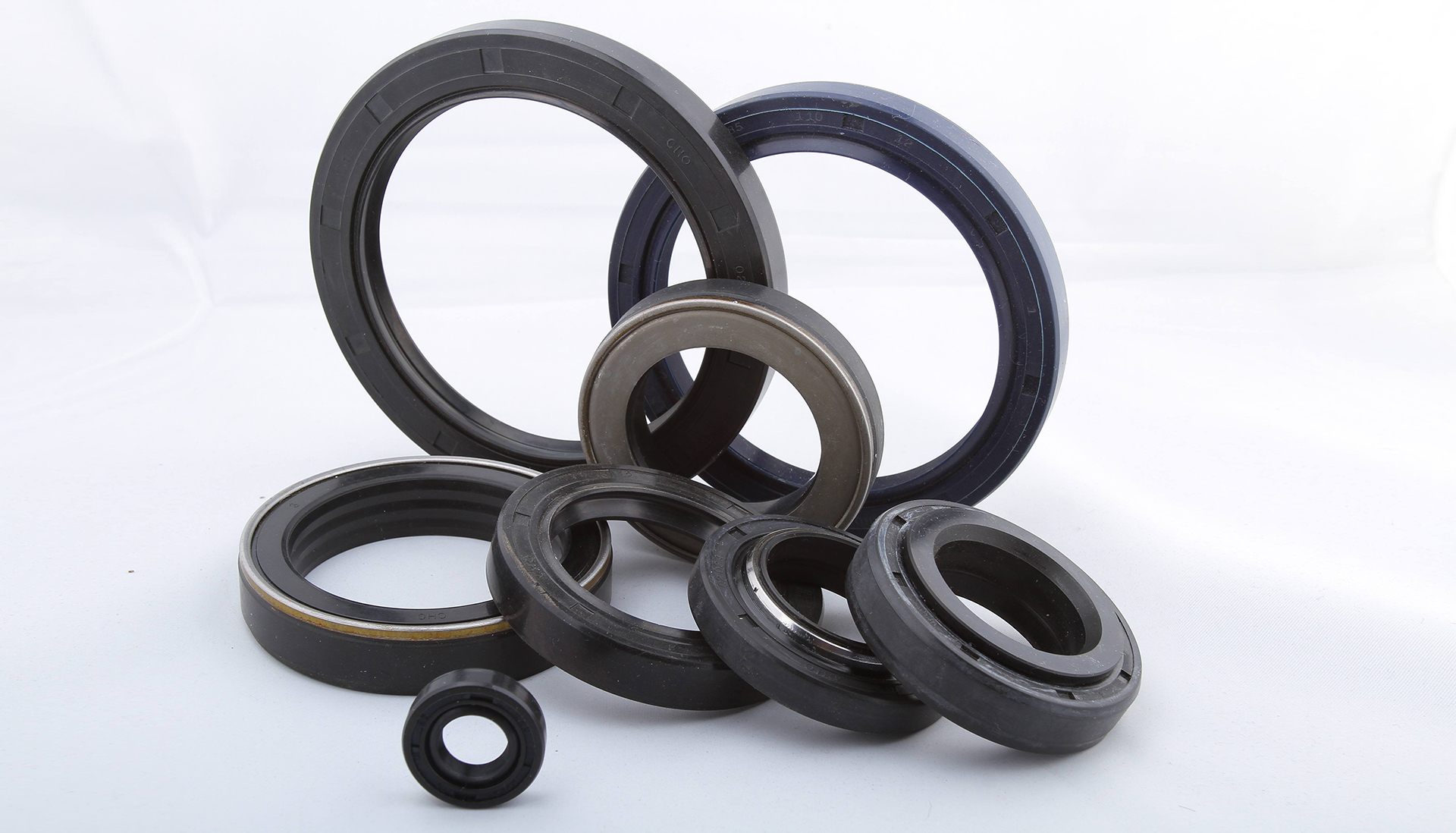
CHENGDU, SICHUAN, CHINA, September 1, 2026 /EINPresswire.com/ — As the global automotive industry transitions toward complex biofuel blends and higher injection pressures, engineering reliable fuel handling systems requires advanced materials that resist aggressive chemical attack. Chenguang Fluoro and Silicone Elastomers Co., Ltd. — FSE for short — resolves these modern powertrain challenges through its specialized Fluoron PPA materials. Operating as an established global manufacturer, the company supplies high-performance PPA Elastomers specifically engineered to endure the harsh chemical realities of modern automotive environments. Supported by an IATF16949:2016 certified manufacturing facility in Suining and a workforce of over 300 employees, this robust production infrastructure ensures that Tier 1 automotive suppliers receive highly consistent elastomeric compounds. This verified consistency guarantees that critical fuel lines, injector O-rings, and tank seals can maintain their structural integrity and prevent dangerous hydrocarbon leaks throughout the vehicle’s entire operational lifecycle.
Biofuels Demand Advanced Polymeric Defense Mechanisms
The widespread introduction of ethanol-blended gasoline and aggressive biodiesel formulations has fundamentally altered the chemical demands placed on automotive fuel systems. Traditional elastomeric seals that performed adequately in conventional petroleum environments are now highly susceptible to severe volumetric swelling, rapid embrittlement, and catastrophic tensile strength loss when exposed to these modern, highly polar fuel mixtures.
FSE addresses this severe chemical vulnerability through its advanced Fluoron PPA polymer architecture. By engineering specific fluorine-rich molecular backbones, these advanced elastomers provide a highly effective defense mechanism against nucleophilic attack and chemical permeation. This specialized chemical resistance ensures that fuel system components do not degrade or swell beyond acceptable tolerances when subjected to varying concentrations of methanol, ethanol, or aggressive fuel additives.
For automotive design engineers, specifying highly resistant PPA materials eliminates the risk of premature seal degradation in biofuel applications. By deploying these advanced polymers in critical fuel contact zones, OEMs can confidently design versatile powertrains that comply with global emission standards and operate safely across diverse international fuel markets.
Low-Temperature Flexibility Prevents Cold-Start Fuel Leaks
While resisting aggressive chemicals is paramount, automotive fuel seals must also maintain their dynamic sealing capability in extreme environments, particularly during severe winter conditions. When temperatures plummet, many highly fluorinated elastomers experience a drastic increase in stiffness, losing their elastic memory and their ability to conform to mating hardware.
This loss of low-temperature flexibility directly causes cold-start fuel leaks—a critical safety failure that also results in severe warranty claims and environmental non-compliance. Specialized PPA formulations resolve this issue by optimizing the polymer’s glass transition temperature (Tg). This precise molecular engineering ensures that O-rings and quick-connect seals remain sufficiently pliable to maintain a positive seal even when subjected to extreme sub-zero automotive testing protocols.
Procurement teams sourcing seals for global vehicle platforms must actively verify these low-temperature retraction metrics. By specifying PPA elastomers that balance chemical resistance with exceptional cold-weather flexibility, automotive manufacturers ensure reliable, leak-free engine starts regardless of the geographical deployment of the vehicle.
PPA Structural Integrity Survives High-Pressure Injection Systems
Modern direct-injection engines rely on exceptionally high fuel pressures to optimize combustion efficiency and minimize exhaust emissions. These extreme operational pressures place immense mechanical stress on injector O-rings and fuel rail seals, demanding materials that resist extrusion, compression set, and explosive decompression.
High-performance PPA elastomers possess the inherent structural integrity required to survive these demanding, high-pressure environments. When properly compounded and vulcanized, these materials exhibit high tensile strength and excellent resistance to mechanical tear, ensuring they remain firmly seated within their engineered grooves even under severe pressure pulsations.
By utilizing robust PPA compounds, automotive engineers prevent the catastrophic seal blowouts that can lead to engine fires or total loss of motive power. This mechanical resilience guarantees that advanced fuel injection systems can operate safely at their maximum designed pressures over hundreds of thousands of miles.
Manufacturer Accreditation Validates Automotive Quality Standards
In the highly regulated automotive supply chain, the theoretical performance of an elastomer is irrelevant without the ability to manufacture that material with absolute, verifiable consistency. Tier 1 suppliers cannot afford batch-to-batch variations in compound viscosity or curing behavior, as these fluctuations inevitably lead to molding defects and unacceptable part failure rates.
Drawing on expertise cultivated since its founding in 2004, the enterprise guarantees manufacturing consistency through an advanced, highly controlled production facility. This operational scale, driven by a dedicated staff of 300+ professionals, provides the necessary capacity to fulfill high-volume automotive demands without compromising formulation accuracy.
Most critically, this entire manufacturing operation is rigorously audited and certified to the automotive industry’s highest quality standard, IATF16949:2016, alongside ISO9001:2015 and ISO14001:2015 accreditations. For global automotive procurement teams, these formal SGS certifications provide the documented proof necessary to confidently integrate these PPA materials into their approved vendor supply chains, ensuring strict compliance with stringent OEM quality requirements.
Direct Sourcing Simplifies Global Supply Chain Risks
The global automotive industry requires supply chains that are not only high-quality but also highly resilient and responsive. Relying on complex, multi-tiered distribution networks for critical raw materials often introduces unnecessary lead-time risks and obscures the technical communication necessary for rapid problem-solving.
By establishing a direct sourcing relationship with a primary PPA manufacturer, automotive suppliers dramatically simplify their procurement architecture. This direct connection eliminates intermediary markups and provides immediate, unhindered access to the technical teams responsible for formulating the base polymer, facilitating rapid custom compounding when specific OEM requirements arise.
Guided by the vision of “Fluorine & Silicone, for a Better Life,” the organization actively supports Tier 1 automotive suppliers with reliable capacity, verified material data, and direct technical collaboration. Automotive procurement professionals and design engineers seeking to upgrade their fuel system materials can secure technical data sheets and initiate direct qualification programs through https://www.cgfse.com/.
Chenguang Fluoro & Silicone Elastomers Co., Ltd.
FSE
email us here
Visit us on social media:
LinkedIn
Instagram
Facebook
YouTube
TikTok
X
Legal Disclaimer:
EIN Presswire provides this news content “as is” without warranty of any kind. We do not accept any responsibility or liability
for the accuracy, content, images, videos, licenses, completeness, legality, or reliability of the information contained in this
article. If you have any complaints or copyright issues related to this article, kindly contact the author above.

Media gallery