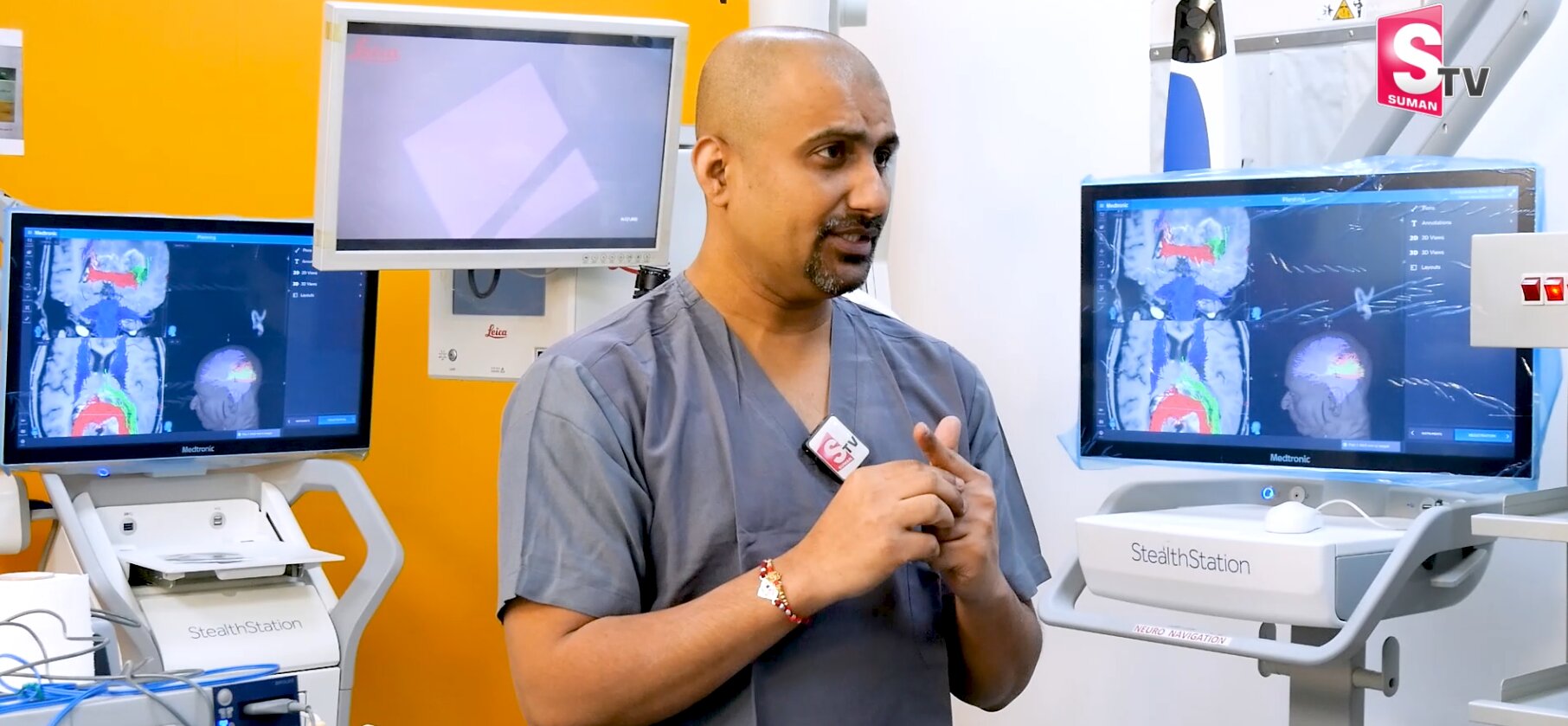
Dr. Mohana Rao Patibandla discusses the journey from advanced neurosurgery to building regional neurosciences infrastructure in India.
GUNTUR, ANDHRA PRADESH, INDIA, May 19, 2026 /EINPresswire.com/ — From Brain Surgery to Institution Building: Dr. Mohana Rao Patibandla Highlights the Growing Need for Advanced Regional Neurosciences Infrastructure in India
As neurological disorders continue rising across India, healthcare experts are increasingly emphasizing the need for advanced neurosciences infrastructure beyond major metropolitan cities. Stroke, traumatic brain injuries, spinal disorders, neuro-oncology cases, and pediatric neurological conditions are placing growing pressure on India’s healthcare systems, particularly in regional areas where access to specialized care remains limited.
The conversation around neurosciences in India is gradually expanding beyond surgery alone toward long-term institution building, technology integration, and regional accessibility. Advanced specialties such as minimally invasive neurosurgery, endovascular stroke intervention, neuro-navigation, skull base surgery, and neurocritical care now require highly specialized ecosystems involving multidisciplinary teams and sophisticated infrastructure.
Dr. Mohana Rao Patibandla, founder of Dr. Rao’s Hospital (International Institute of Neurosciences) in Guntur, Andhra Pradesh, believes India’s future healthcare growth will increasingly depend on strengthening advanced regional neurosciences systems.
After completing neurosurgical training in India, Dr. Patibandla pursued further international exposure across multiple neurosciences subspecialties including minimally invasive skull base surgery, pediatric neurosurgery, neuro-oncology, functional neurosurgery, and cerebrovascular and endovascular neurosurgery in the United States.
According to Dr. Patibandla, expanding advanced neurological care beyond traditional metropolitan centers is becoming increasingly important as neurological disease burden continues to rise nationwide.
“Advanced neurosciences care should not remain limited to a few urban centers. Timely accessibility, technology-driven treatment, and specialized infrastructure can significantly improve neurological outcomes for patients across regional India,” said Dr. Mohana Rao Patibandla.
Over the last decade, India has witnessed rapid advancement in neurosciences technology including minimally invasive spine surgery, endoscopic skull base surgery, intraoperative neuro-monitoring, AI-assisted imaging, robotic guidance systems, and navigation-guided neurosurgery. These developments are gradually reshaping how complex brain and spine disorders are diagnosed and treated.
Healthcare analysts believe regional neuroscience institutions may play an increasingly important role in reducing treatment delays, improving stroke response systems, strengthening neurotrauma care, and expanding rehabilitation accessibility closer to where patients live.
Dr. Rao’s Hospital (International Institute of Neurosciences) was established with a focus on advanced brain, spine, and nerve care in Andhra Pradesh, reflecting a broader movement toward decentralization of specialized neurosciences services in India.
Experts also note that the future of neurosciences will likely be shaped by artificial intelligence, precision imaging, robotics, minimally invasive surgery, and multidisciplinary neurocritical care systems. As these technologies evolve, institution building in neurosciences is increasingly being viewed as a long-term healthcare infrastructure priority rather than simply a clinical expansion.
“Institution building in neurosciences is ultimately about creating sustainable systems that combine expertise, accessibility, ethics, and technology for future generations of patients,” Dr. Patibandla added.
As India continues modernizing its healthcare systems, advanced regional neurosciences ecosystems are expected to become increasingly important in improving accessibility, reducing healthcare inequality, and supporting the country’s growing neurological care demands.
About Dr. Rao’s Hospital (International Institute of Neurosciences)
Dr. Rao’s Hospital (International Institute of Neurosciences) is a specialized neurosciences center based in Guntur, Andhra Pradesh, focused on advanced brain, spine, and nerve care including neurosurgery, neurology, spine surgery, stroke care, neuro-oncology, minimally invasive neurosurgery, and neurocritical care.
Media Contact:
Dr. Rao’s Hospital (International Institute of Neurosciences)
Old Bank Road, Kothapet, Guntur, Andhra Pradesh, India
Phone: +91 9010056444
Email: info@drraoshospitals.com
Mohana Rao Patibandla
Patibandla Narayana Swamy Neurosciences LLP
+91 90100 56444
info@drraoshospitals.com
Visit us on social media:
LinkedIn
Instagram
Facebook
YouTube
X
Dr. Mohana Rao Patibandla on Expanding Advanced Neurosciences Care Beyond Metro Cities
Legal Disclaimer:
EIN Presswire provides this news content “as is” without warranty of any kind. We do not accept any responsibility or liability
for the accuracy, content, images, videos, licenses, completeness, legality, or reliability of the information contained in this
article. If you have any complaints or copyright issues related to this article, kindly contact the author above.

Media gallery