
Key Takeaways:
- Authentic Caribbean dining reflects the region’s Afro-Caribbean history through ingredients, techniques, and recipes shaped by generations of cultural exchange.
- According to the Centre for the Promotion of Imports from developing countries, 32.4% of surveyed travelers from six major European markets identified enjoying local food and drink as a primary holiday activity.
- Seasonal menus and the day’s catch can reveal how closely a restaurant responds to local conditions rather than relying on a fixed, standardized formula.
- The strongest dining experiences connect food with place through coastal settings, music, art, and other elements of the surrounding culture.
Choosing where to eat in Puerto Viejo is not simply a matter of finding the highest-rated restaurant nearby. For travelers exploring Caribbean restaurants in Puerto Viejo de Talamanca, the real question is not only whether the food is delicious, but whether the setting and overall experience reflect the distinctive identity of Costa Rica’s southern Caribbean coast.
That distinction matters because Puerto Viejo’s cuisine developed differently from food traditions elsewhere in Costa Rica. Afro-Caribbean migration, coastal trade, tropical agriculture, and access to the Caribbean Sea created a regional food culture in which coconut, seafood, plantains, yucca, tropical fruit, herbs, and aromatic seasonings play central roles.
Look Beyond “Local Food” and Examine the Culinary Identity
The phrase “local food” can be misleading. A restaurant may serve familiar national dishes without necessarily representing the specific culinary history of the place a traveler is visiting. In Puerto Viejo, authenticity is better evaluated through the relationship between ingredients, preparation methods, and regional heritage.
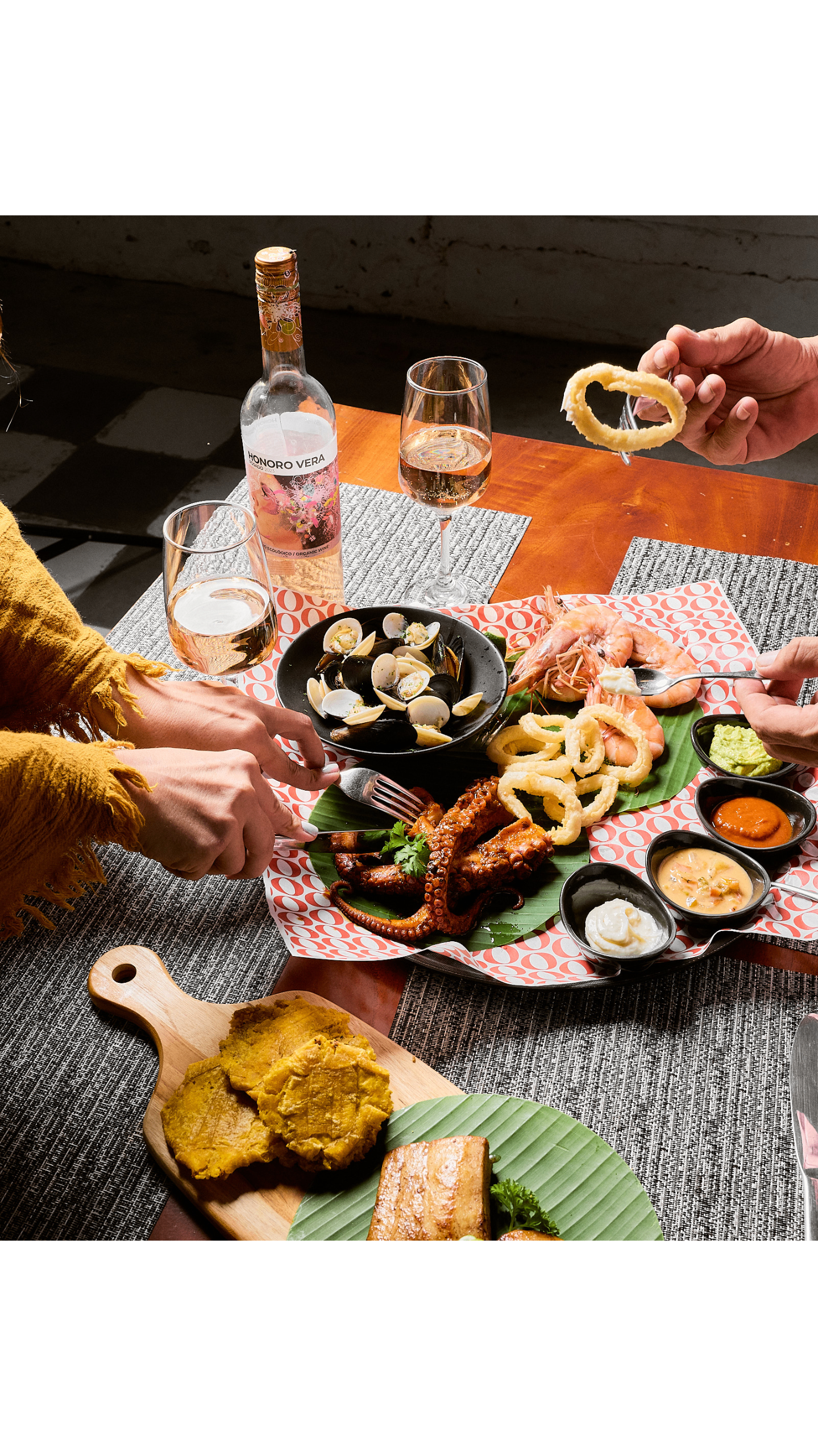
Caribbean rice and beans, for example, differ significantly from conventional gallo pinto because coconut milk changes both the flavor profile and cooking tradition. Seafood may be paired with citrus, tropical fruit, herbs, or coconut-based elements, while plantains and yucca serve as more than decorative sides; they reflect ingredients deeply embedded in regional cooking.
GigiO Restaurant, an oceanfront dining venue in Puerto Viejo de Talamanca, emphasizes this connection between menu choices and place. Its approach illustrates a broader point for travelers: authenticity is often easier to identify when ingredients and preparations make sense within the geography and cultural history of the destination.
Why Menu Structure Can Reveal More Than a Long Dish List
A large menu does not automatically indicate a better dining experience. In destination restaurants, a more useful signal is whether the menu responds to different ingredients, seasons, and dining occasions without losing a coherent regional identity.
Seasonal adjustments can be especially revealing. Menus that respond to ingredient availability and the day’s catch allow kitchens to work with changing conditions, while a well-designed range of options can serve different dining occasions without diluting the restaurant’s core culinary identity.
For travelers, the analytical question is not simply “How many dishes are available?” It is “Why are these dishes here?” A credible Caribbean menu should show meaningful relationships among seafood, tropical produce, coconut, regional staples, and cooking traditions. Vegetarian dishes and tropical fruit desserts can also broaden the experience when they draw from the same ingredient landscape rather than feeling disconnected from the restaurant’s identity.
Food Tourism Is Increasingly About Connection to Place
Dining has become a significant part of how travelers experience destinations. According to the Centre for the Promotion of Imports from developing countries, 32.4% of surveyed travelers from six major European markets identified enjoying local food and drink as a primary holiday activity.
That figure helps explain why restaurant choice can shape a trip as much as sightseeing. Travelers are not only buying a meal; they may be looking for cultural context, regional ingredients, atmosphere, and a stronger understanding of everyday life in the destination.
In Puerto Viejo, this makes the surrounding experience relevant. Live Caribbean music, jazz, visiting artists, and sunset DJ sets can connect dining with the region’s contemporary cultural life. Museums and galleries can add another layer by placing food alongside local art and history. GigiO’s on-site Casa de la Poesia and upstairs art gallery are examples of how a hospitality venue can situate dining within a wider cultural setting.
How to Choose a Puerto Viejo Dining Experience You’ll Actually Remember
Before choosing a restaurant, examine the menu rather than relying only on star ratings or photographs. Look for regional ingredients, evidence of seasonal adaptation, a clear connection between dishes, and specific details about how the venue relates to its location.
Setting also matters, but it should complement the food, not replace it. The strongest experiences bring together authentic Caribbean cuisine, regional ingredients, and local cultural influences in a way that feels deeply connected to the destination, rather than being designed around a generic tropical theme.
The most memorable choice is therefore unlikely to come from chasing a generic idea of “the best restaurant.” A better approach is to find a place where the menu explains something about Puerto Viejo itself—its coast, its Afro-Caribbean heritage, its ingredients, and the living culture that continues to shape how the region eats today.
GigiO Restaurant Puerto Viejo
Ckinay@marketingtreasure.com
+1 786 6517997
Stanford’s Square
Puerto Viejo de Talamanca
Limón Province
70403
Costa Rica


